100°
Women's atelier of illumination within the scope of the SALT WATER: A Theory of Thought Forms. 14th İstanbul Biennial, Photos: Ali Cem Doğan, Graphic design: Merey Şenocak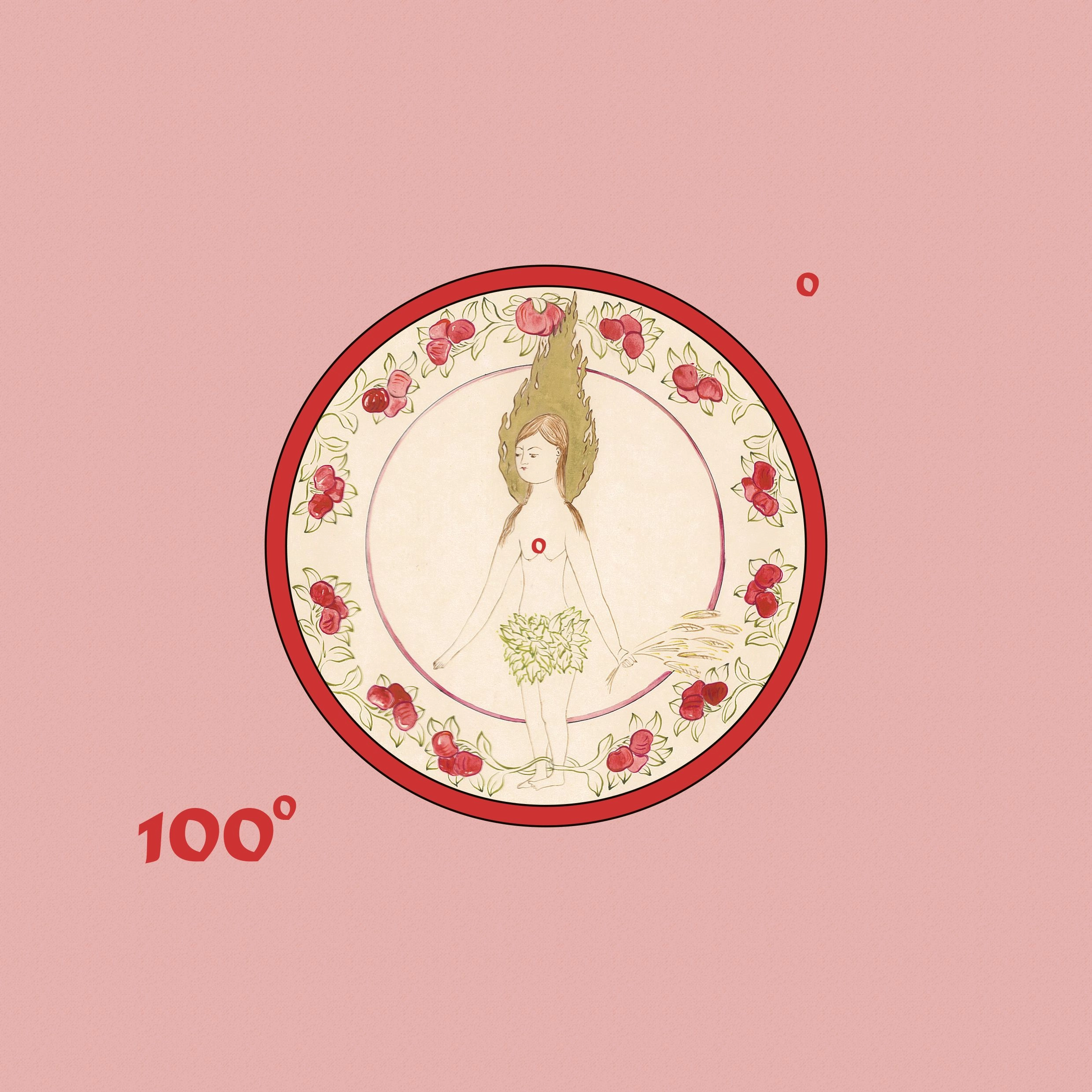
Workbook.pdf Invitation card.pdf For more info: 100degree.pdf
Committed to social justice, she utilises the transformative powers of art to connect people and foster change. She teaches how to paint miniatures in jails with the convicted, or in a small room above the bustle of commerce, with women. Attention, precision, practice. They cannot colonise our minds. Carolyn Christov-Bakargiev
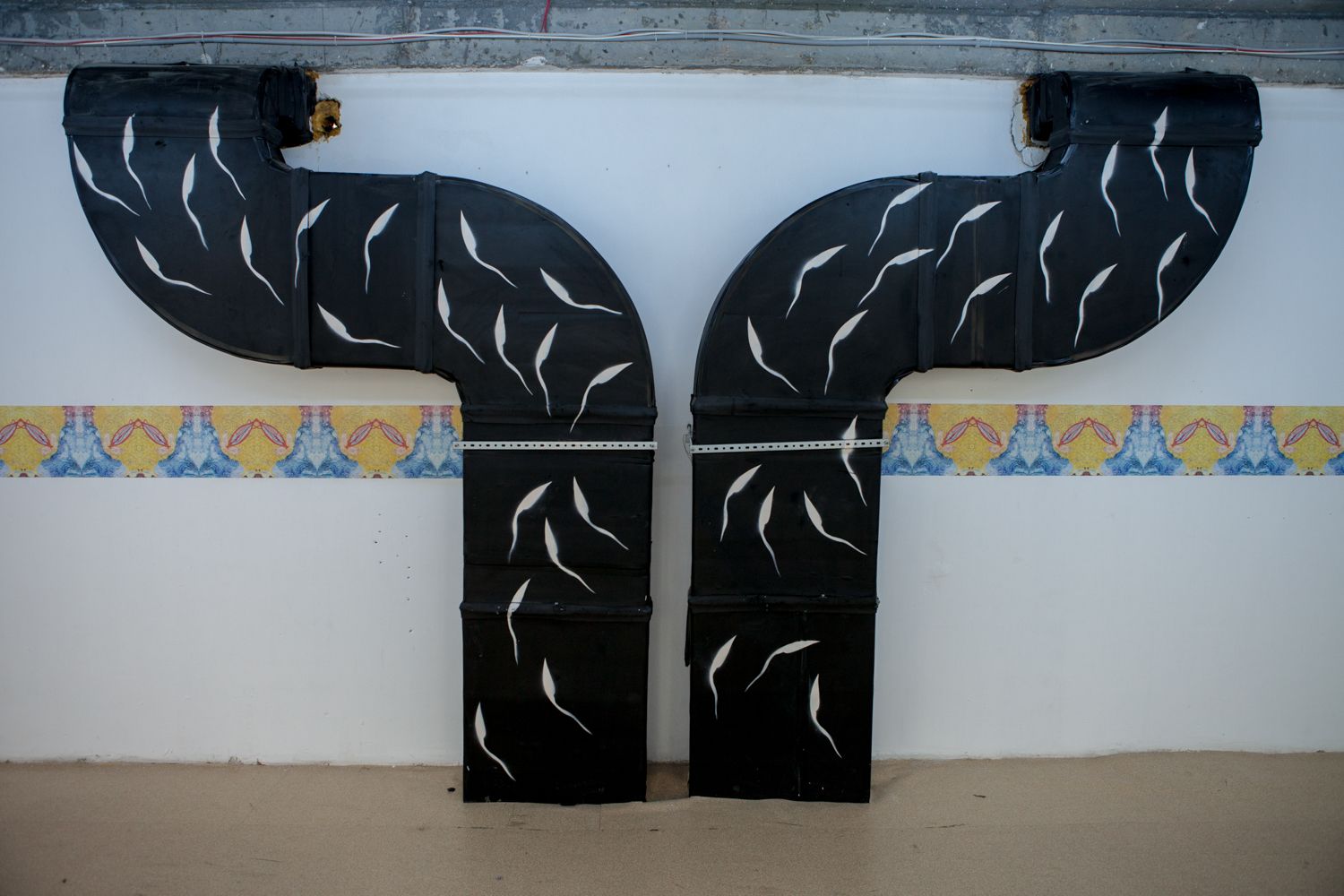
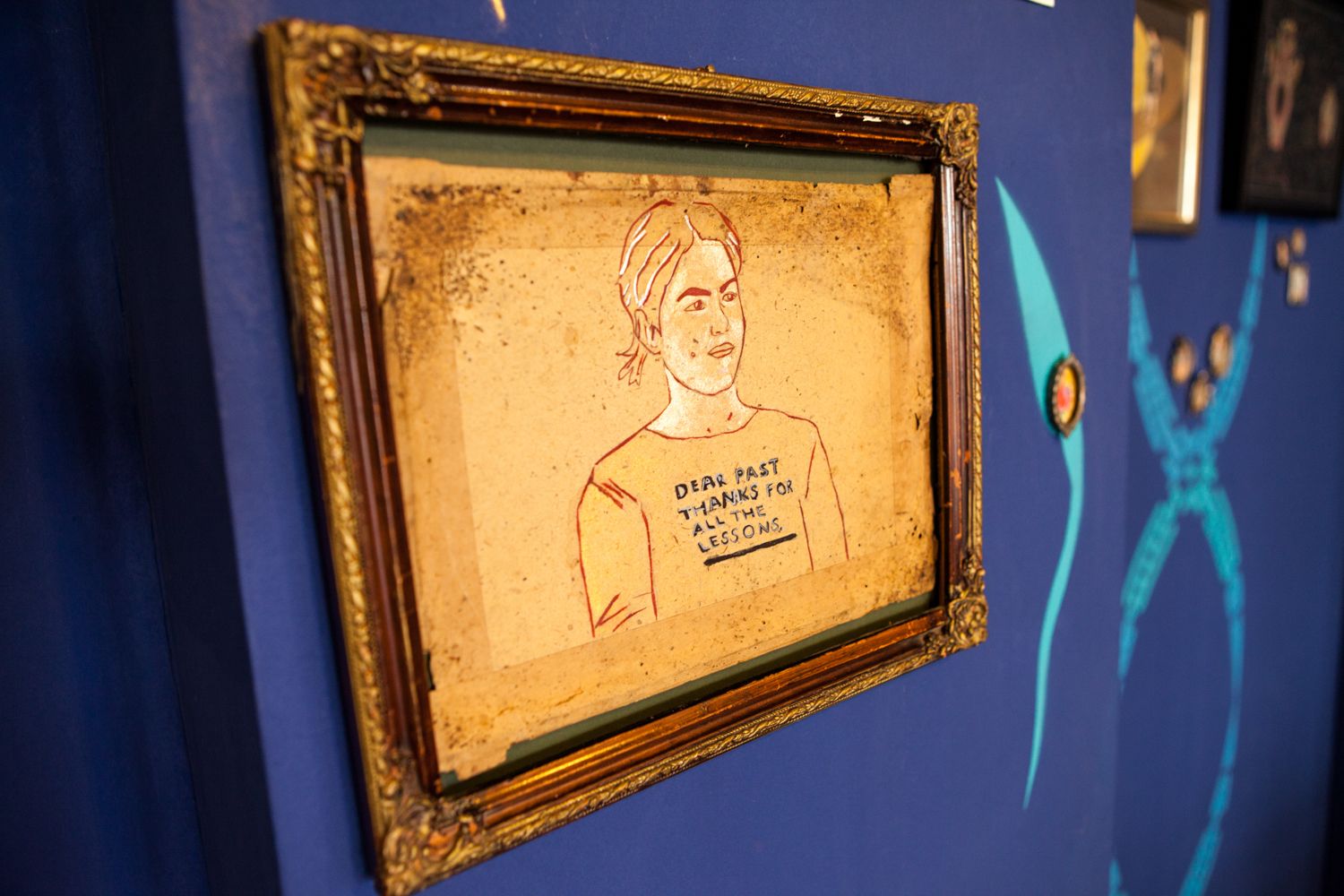
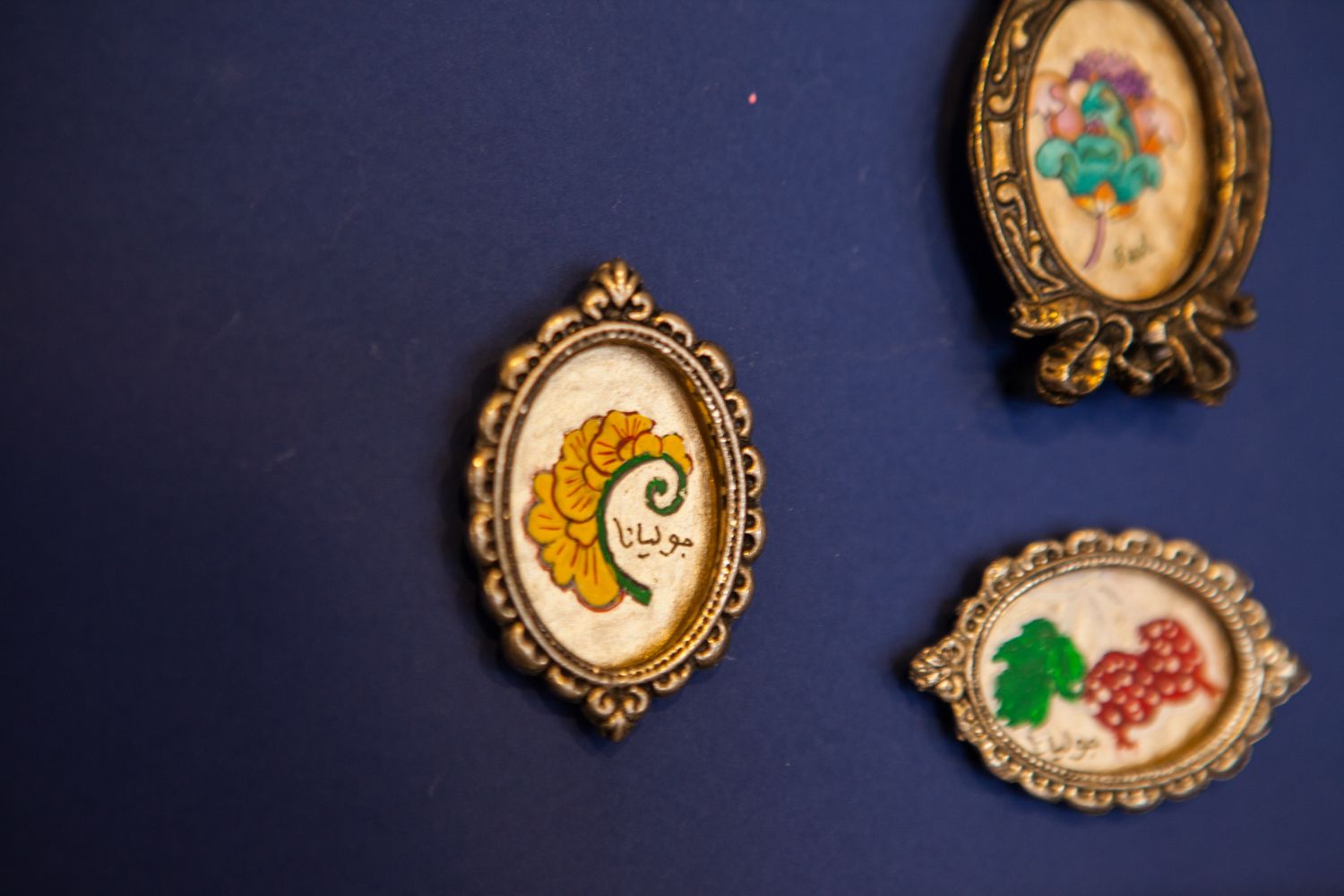
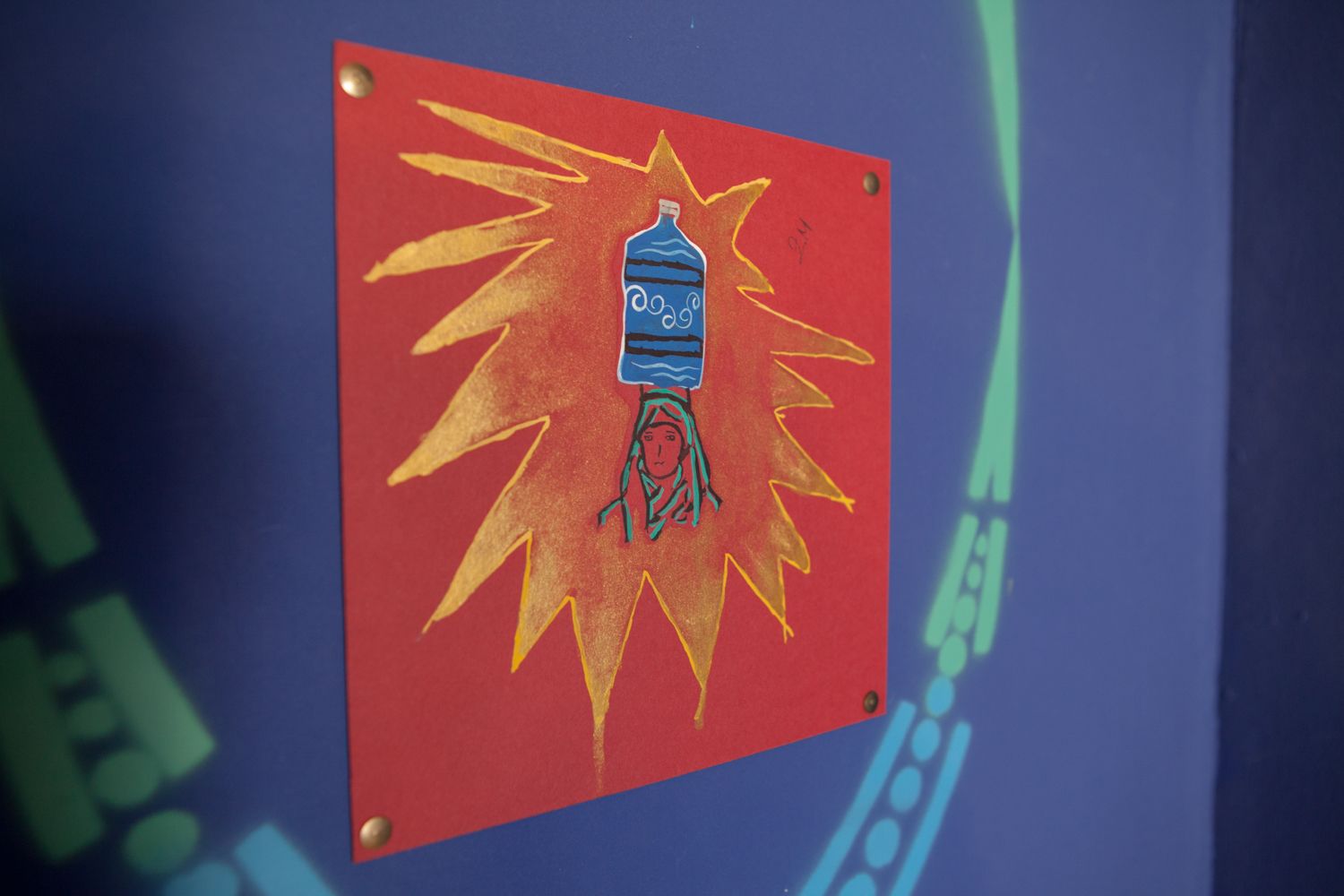
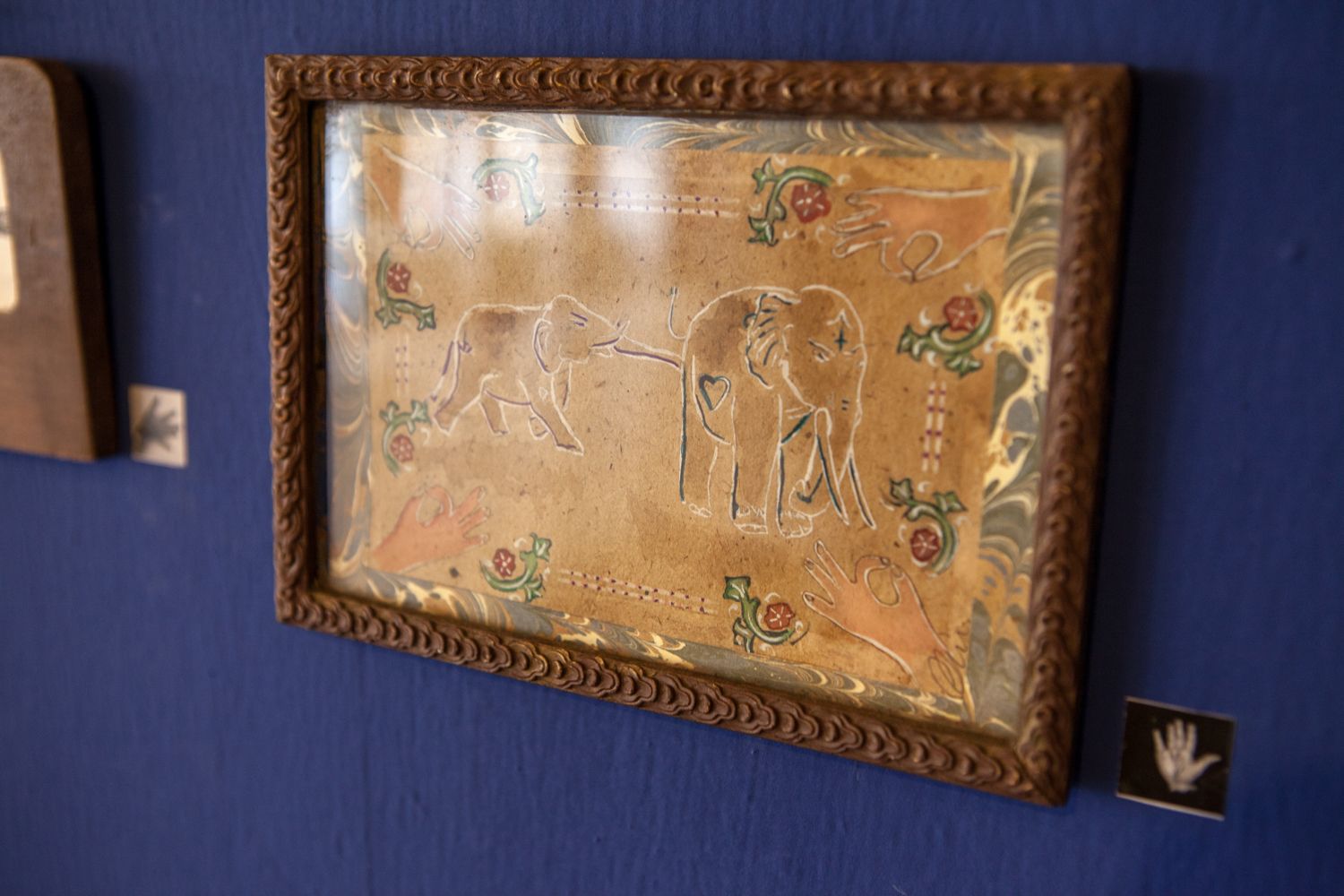
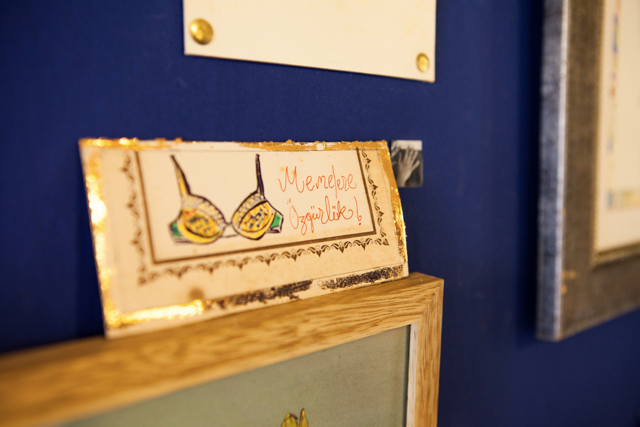
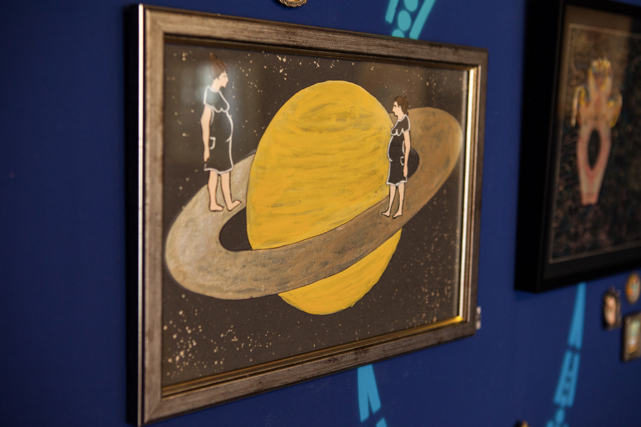
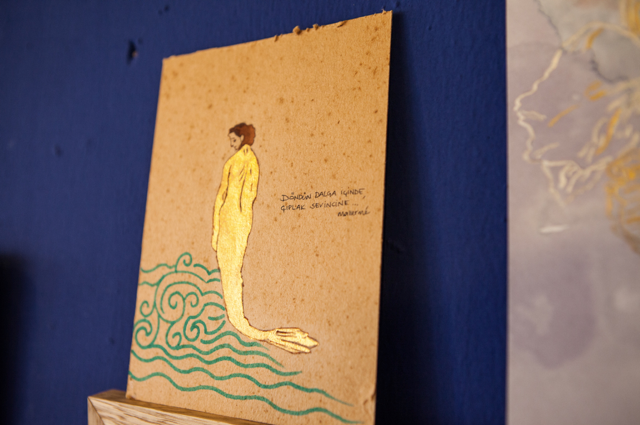
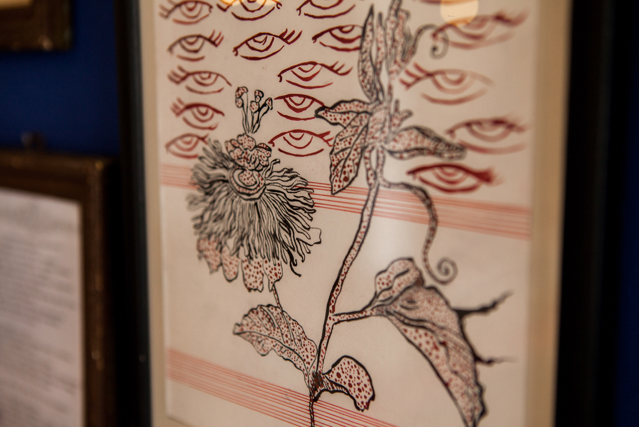
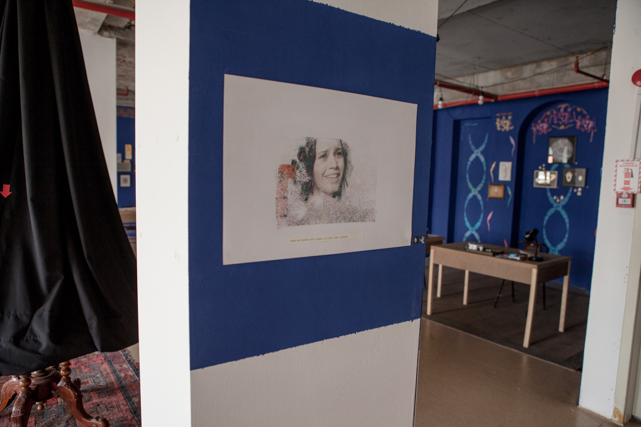
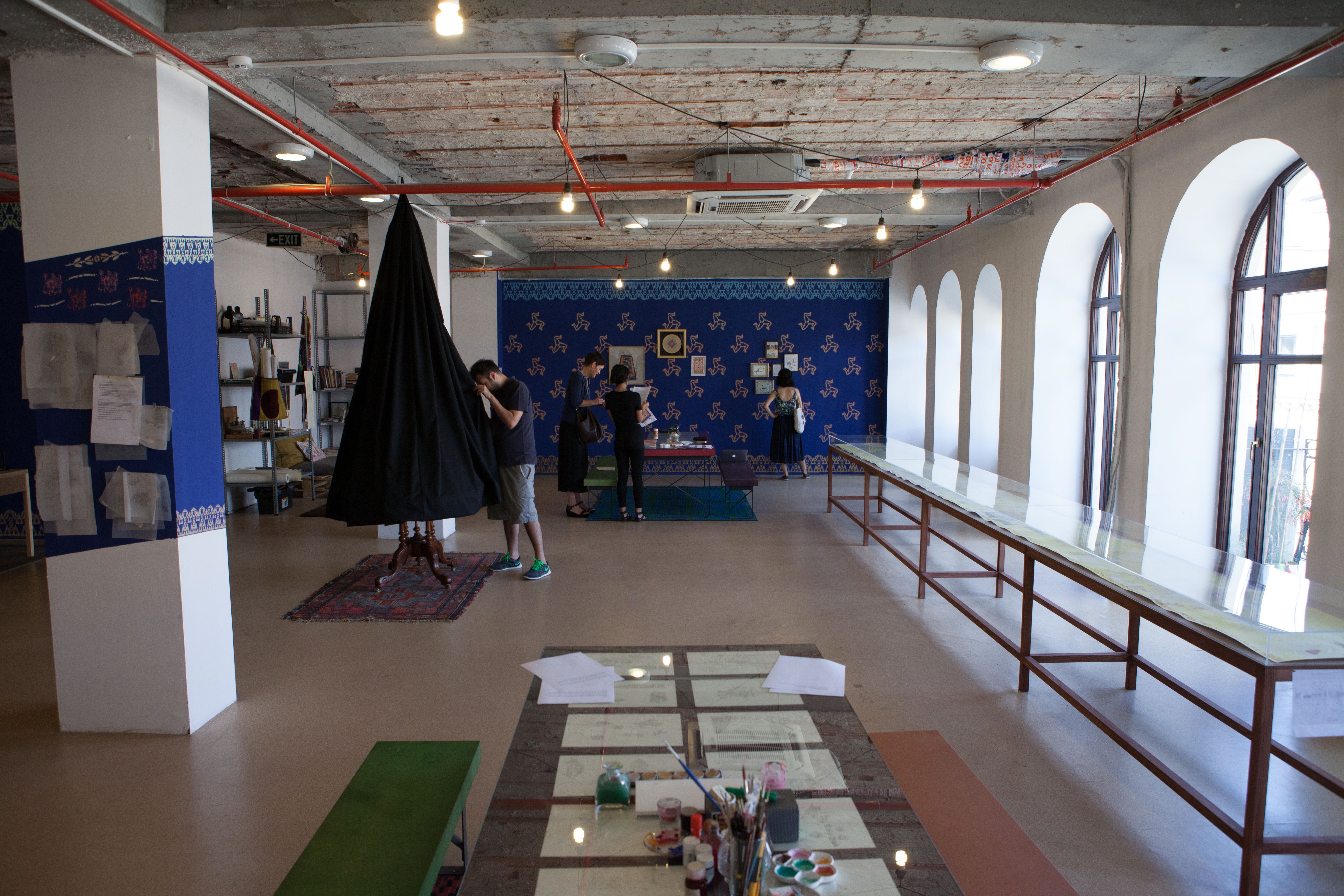
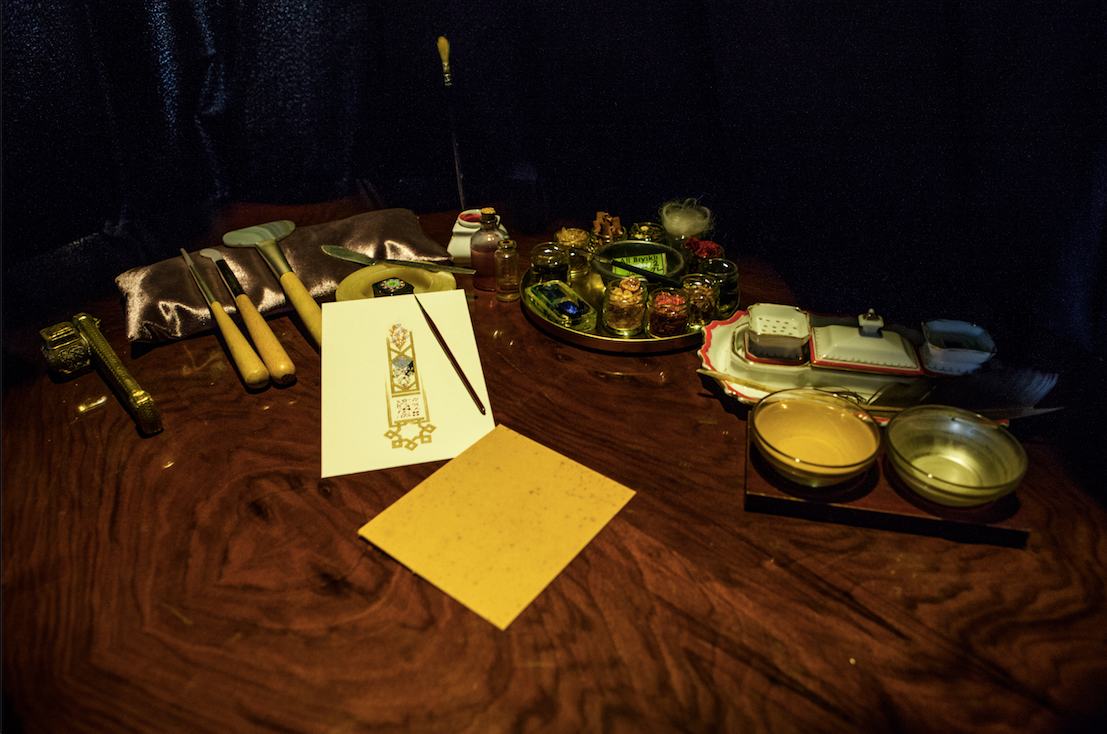
In Istanbul, Çakar creates a women’s atelier of illumination, called 100°, where she encourages women who have been discriminated and oppressed - or who just want to join the atelier - to tell their own personal stories in the form of drawings by using traditional techniques. The workshops, held once a week, are closed to public but the drafts produced are exhibited in the space, enabling the visitors to follow the process. Also, a long drawing depicts the Art Nouveau buildings on İstiklal Avenue that face 100° space. In this project, traditional art poses a critical question regarding societal expectations on women. Usually buried in darkness, or veiled by a conservative inclination to nostalgia, illumination and drawing techniques can be reactivated by individuals with no art education who feel an urge to express themselves for different reasons. Çakar’s atelier is a course of action with paper, watercolor and gold, as well as literary texts, poems, daily images and stories. It cultivates practice, attention and precision in order to create spaces of freedom and imagination both in art and society.
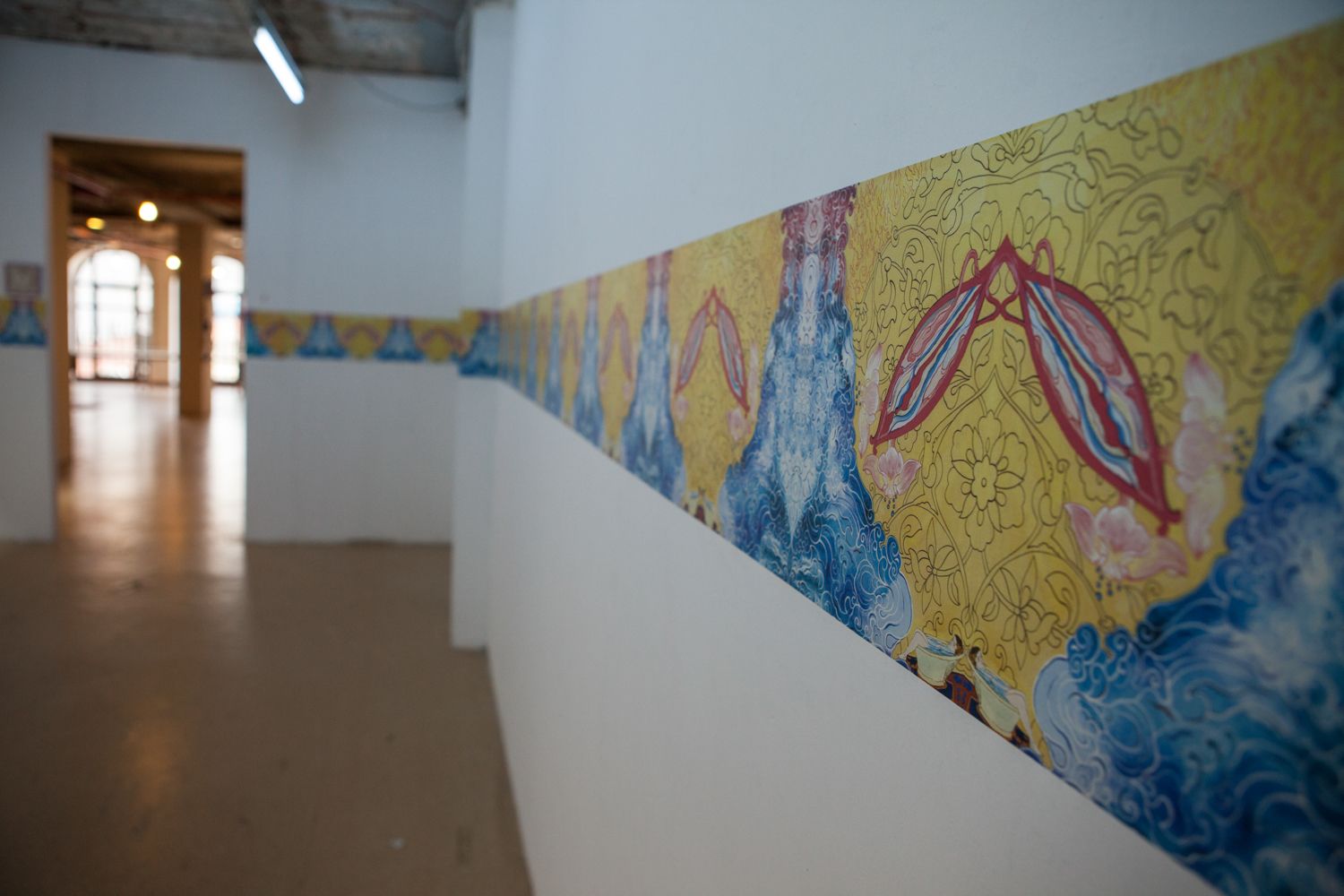
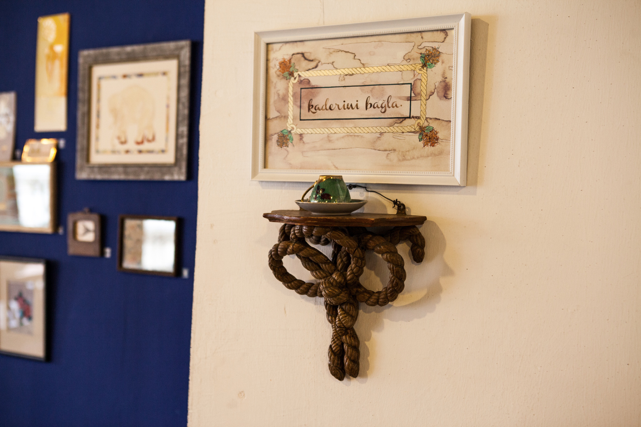
100° collective text We run a collaborative traditional arts atelier with women on the 4th floor of Flo building (Anatolian Passage) at İstiklal Street. With anybody who considers themselves as a woman. A traditional arts atelier gets around like a gossip, from mouth to mouth. It intends to provide criticism on subjects of traditional art books. For instance, if miniature is a form of information design, then we don’t still in need to tell about Ottoman Empire but we can tell contemporary. This is exact point traditional arts seem to hold a similarity with being a woman in a society, in the struggle against conservatism and unliberatedness. Thus in 100° it was assumed that women could instrumentalize traditional arts and create an effective language. Songs, poems, letters could be decorated, or a variety of worlds could be drawn with flowers, trees, clouds. It can be considered as a course; however; it is certain that its systematic fall out of traditional education system. We aren’t even sure if it has a defined system. We bound through our womanhood and then we are producing works by means of traditional arts. While the atelier mostly relates to drawings on paper, it also inclines to interior decoration, visual installations and literature. Its context enables valuable emotions or concepts, which can be decorated, which requires pictorial narration to be told, to be turned into miniatures. It wishes to dive into depths of what seems surficial but still playing with the deep on the surface.
Review by Eva Liedtjens http://www.neola-art-projects.com/blog/2016/10/14/cansu-akar-drawing-free