The Outer Darkness
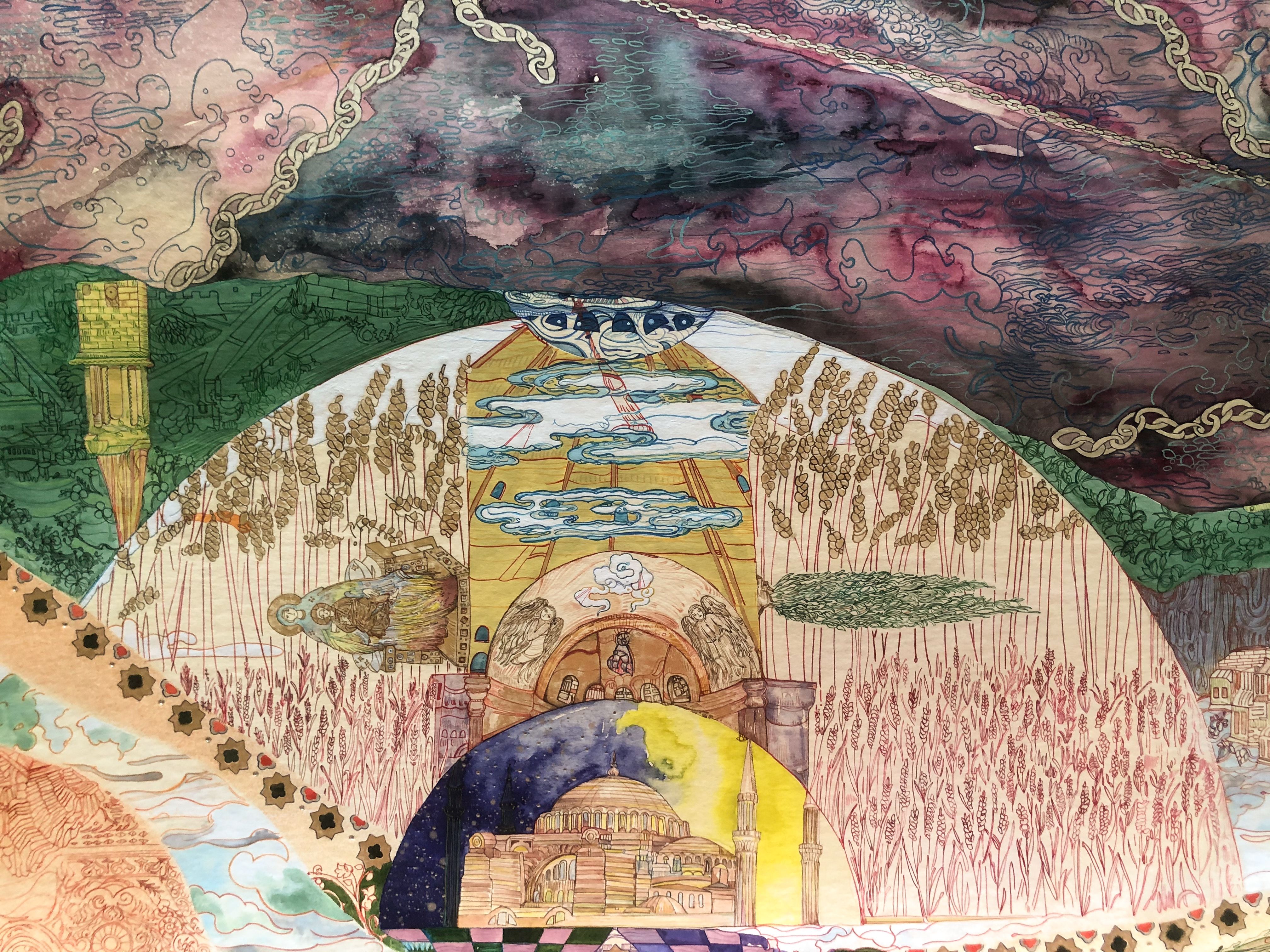
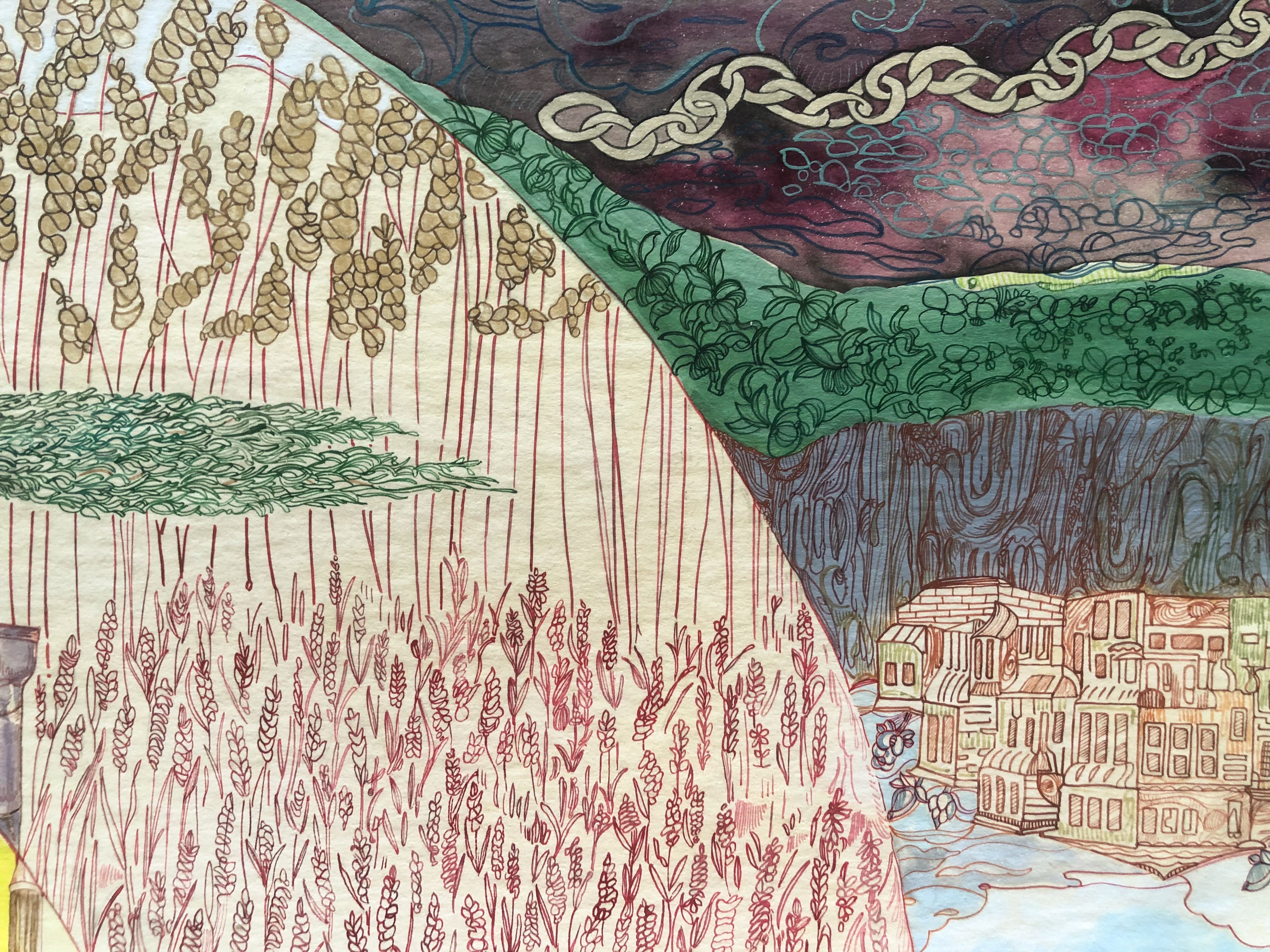
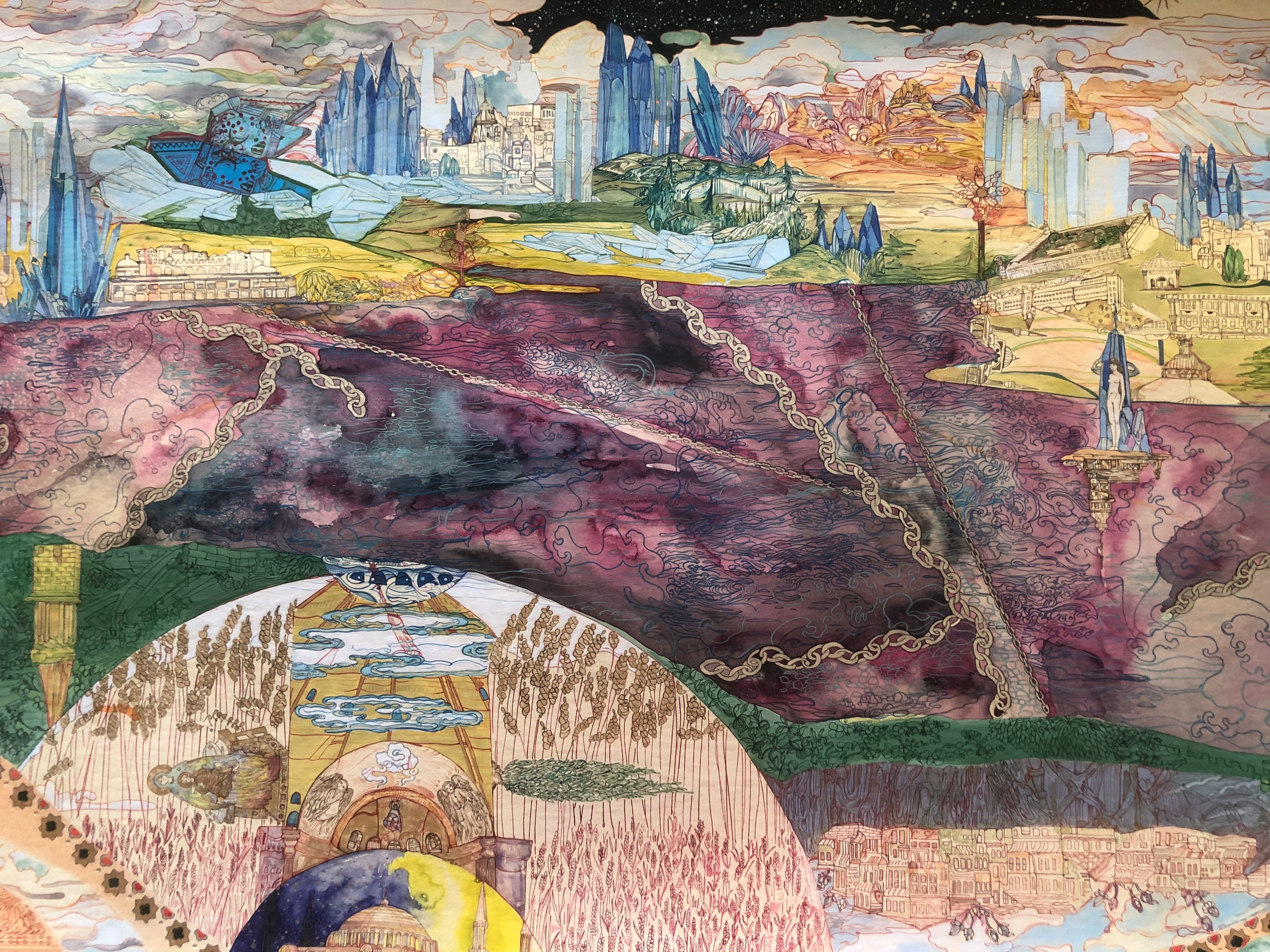
through the eyes of Hagia Sophia t. watercolor, gouache, ink and gold on paper s. 80 x 120 cm photo: Berk Kır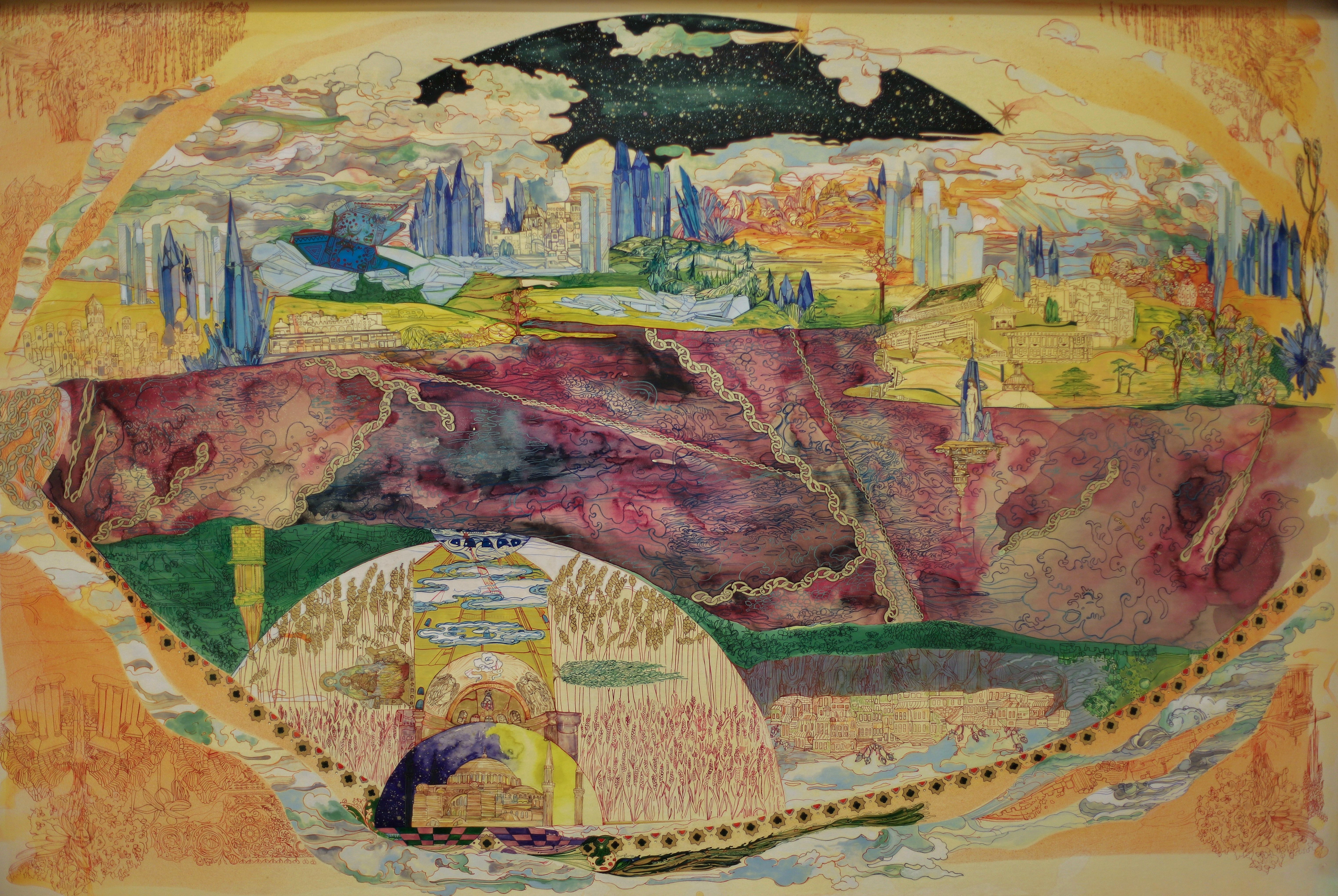
Past functions of buildings remain open to unpredictable future codes, even if their previous functions disappear. It should not be forgotten that Hagia Sophia is a building that was shaped by iconoclasm, reshaped over and over again with multiple Christian traditions, and then, under the influence of Islam, its shape was tried to be changed spiritually. In fact, this situation should be an inevitable symbol for us to internalize the structure and think of its existence as a hope for the future. Saint Sophia is like today's Ophelia. It represents a bounded material universe caught between madness and the position of women in society. Just as the phenomenon of mad women is the same age as human history, Hagia Sophia can also point to the double madness legitimized by the government. These two crazy words; there may be night and day, restlessness and laziness, universal and local, death and life. Contrasting readings also function in the symbolic messages they convey and tend to be open to alternatives. The victories of ideologies against the peoples destroy the sacred, create the fiction of many alternatives, and move the plane of immanence to different places. The transformation of Azize Sofia will also soften and alleviate the extremely gloomy seriousness of masculinity, which has so far dominated morality, religion and social life. As Daniil Andreev states in Rose of the World (Роза Мира):
We are entering the cycle of epochs when the feminine soul will become increasingly pure and broad, when more and more women will become deep inspirers, sensible mothers, and wise and visionary leaders. This will be the cycle of epochs when the feminine component of humanity will manifest itself with unprecedented strength, balancing the previous dominance of masculine forces in a perfect harmony.
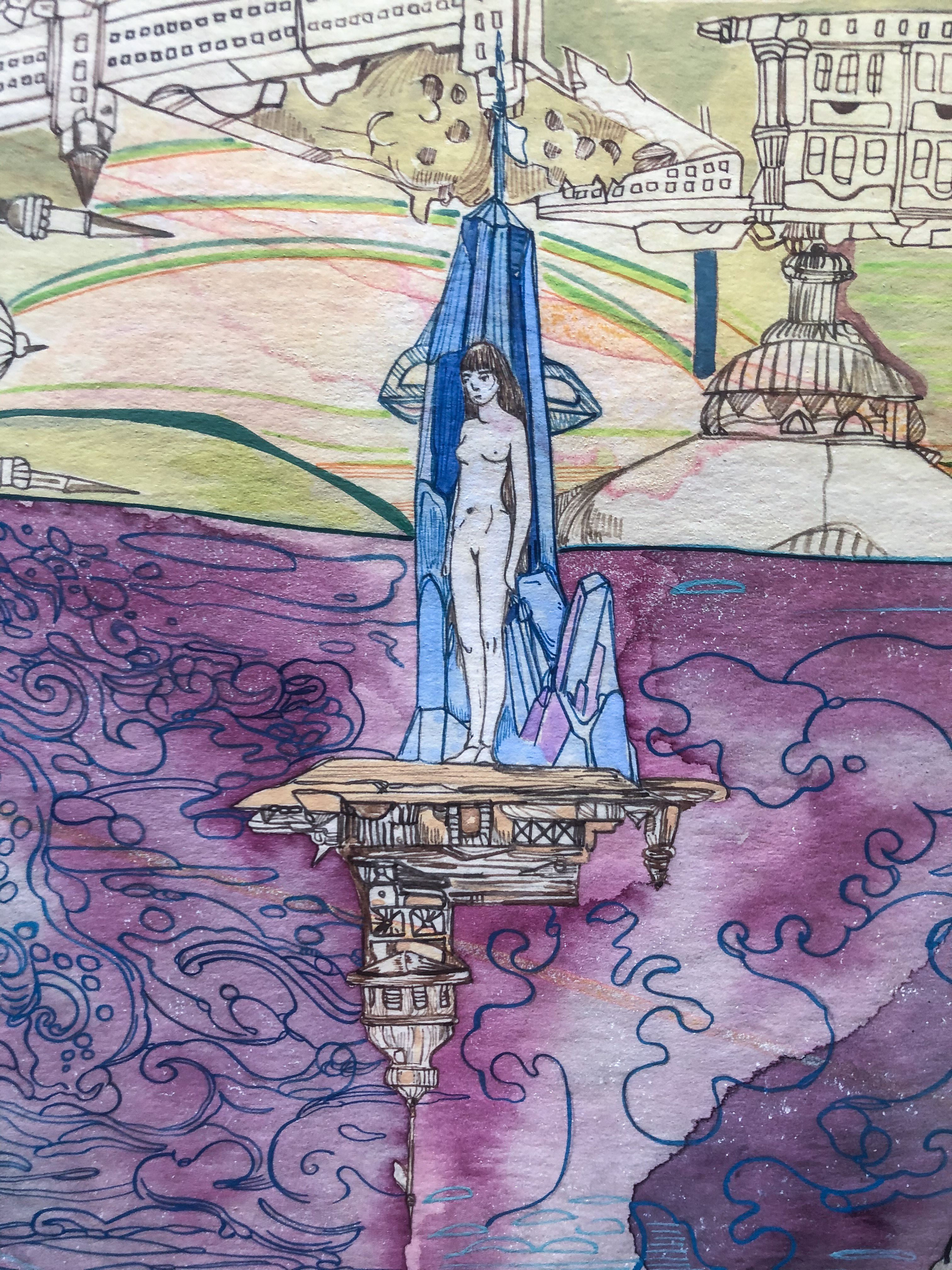
In order to realize the dream of religious representation to establish a market-based society, instead of the power trying to dominate the urban space, thinking about what Hagia Sophia essentially constructs imagines a utopia, a future world. Conquests displace not only the socio-political structure of cities but also the semiotic and visible structure of the cities. Built-in sign systems are turned upside down, the existing representation system is taken from where it belongs, and new meanings are placed in a completely different place. In fact, this situation is entirely related to the action of the power system to legitimize itself in its social environment. Trying to displace what has happened and to give another meaning to it strips the form from its current meaning and adds it to the new set of symbolic values; It creates a completely different place. Thus, the signifier is coded and altered to represent the new signified. Now, that mosque is not just a mosque, nor that dome is just a dome. The function of architectural aesthetics and harmony loses its meaning when the political authority tries to legitimize itself by creating social effects through the city.